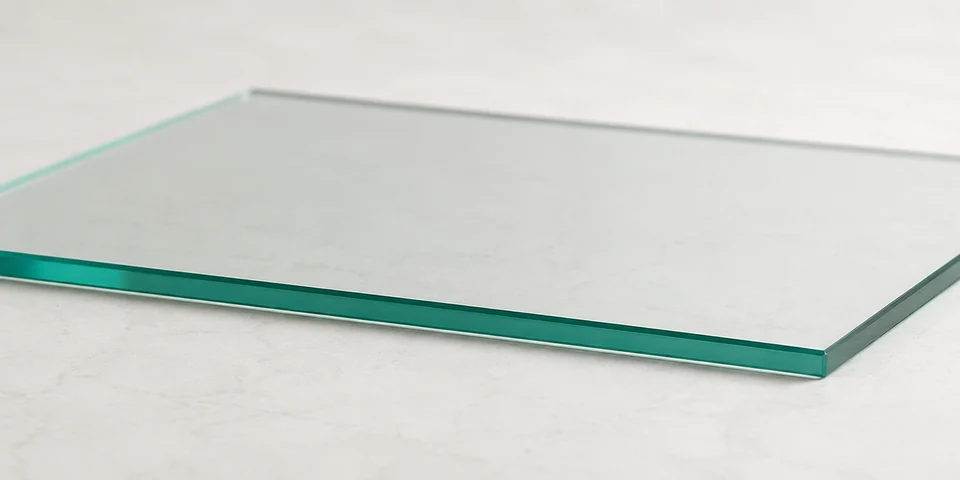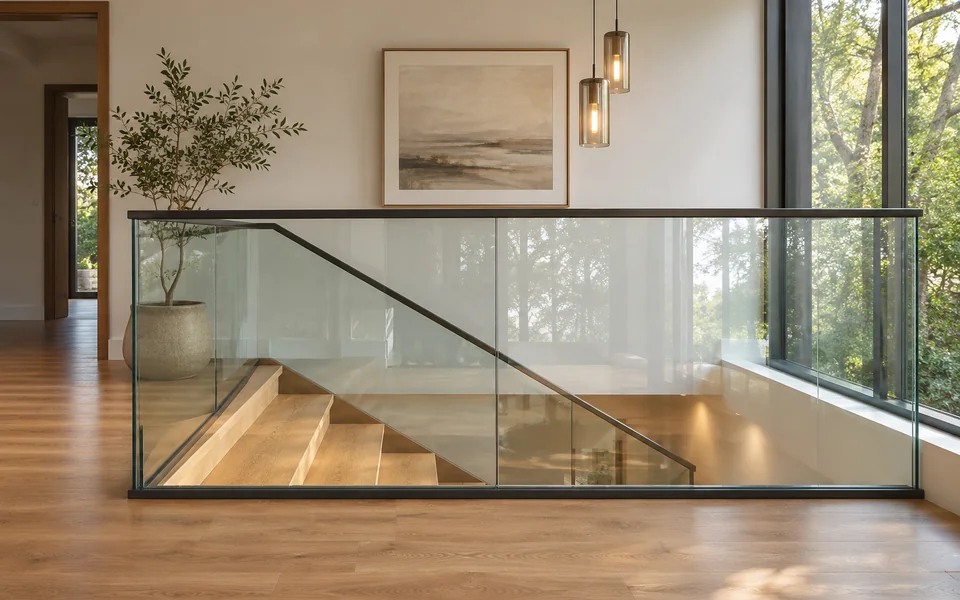
A heat-treated single pane. The treatment is not visible in a photo.
Toughened Glass
Heat-treated glass for added strength and impact resistance.
Walk-in showers, structural balustrades & framed partitions.

Strong, high-clarity safety glass engineered for windows, facades, balustrades, and interior partitions.

Start with your space
Showing all 7 glass types
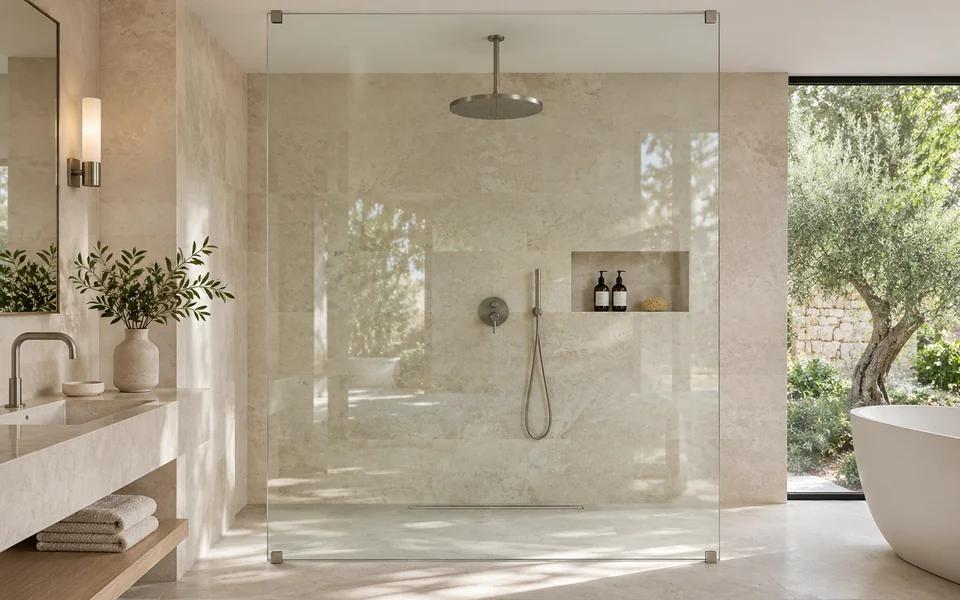
A heat-treated single pane. The treatment is not visible in a photo.
Heat-treated glass for added strength and impact resistance.
Walk-in showers, structural balustrades & framed partitions.

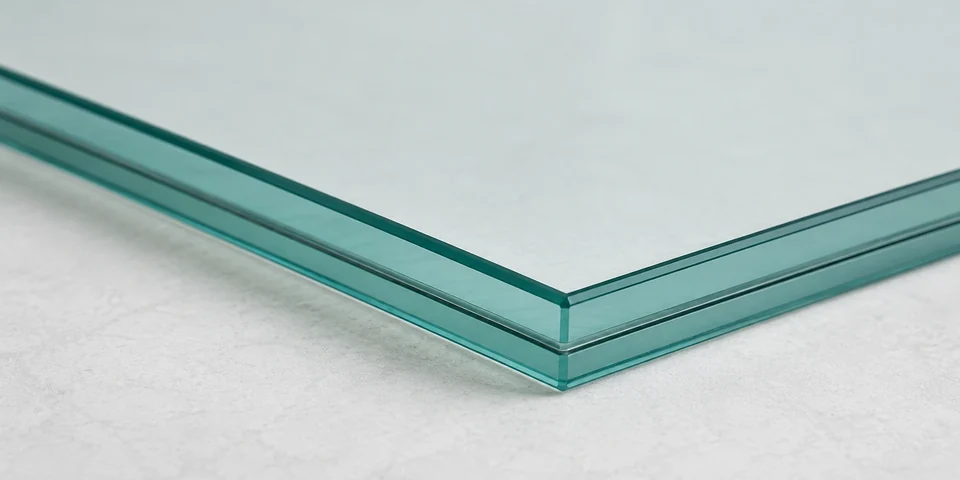
Two glass layers bonded by a thin interlayer.
Glass layers bonded with an interlayer that helps hold broken fragments in place.
Overhead glass canopies, floor-to-ceiling facades & balustrades.

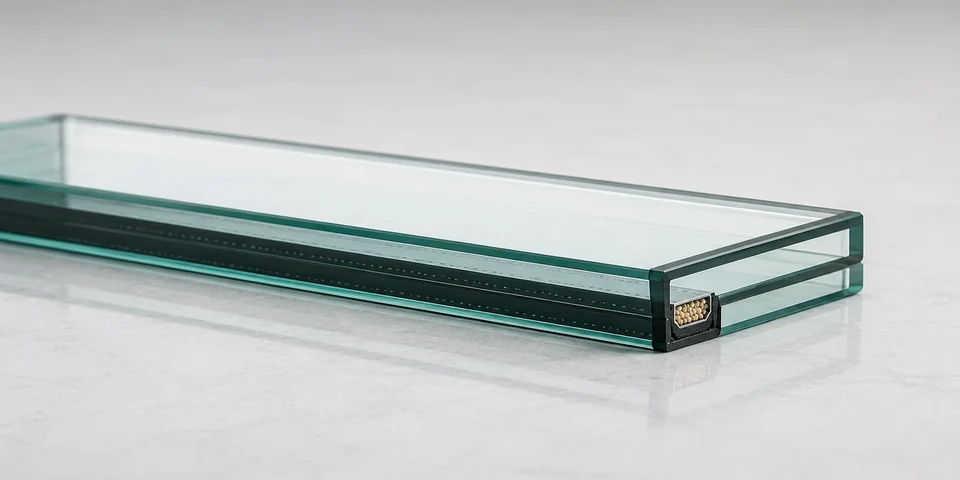
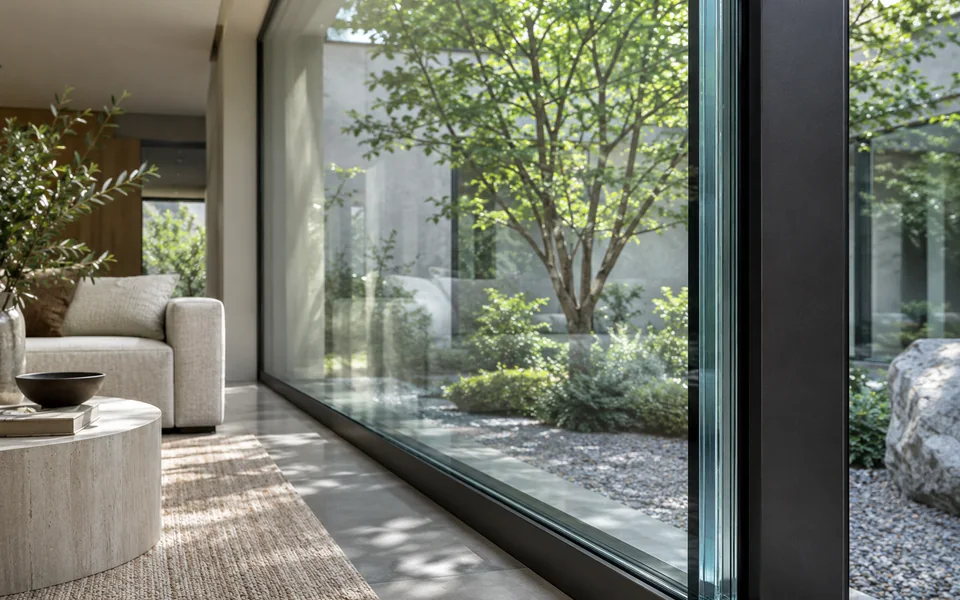
Two panes held apart by a spacer around a sealed cavity.
Two panes separated by a sealed cavity to reduce heat transfer.
Exterior curtain walls, sliding patio doors & picture windows.

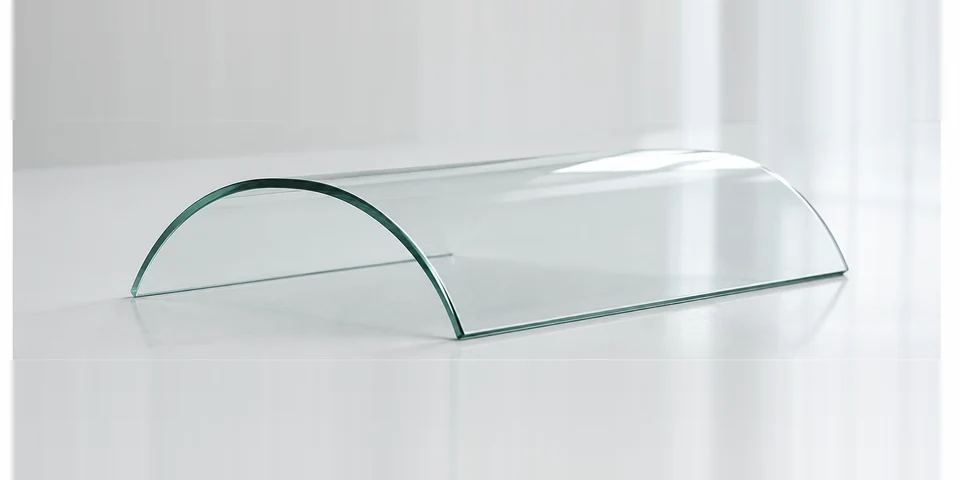
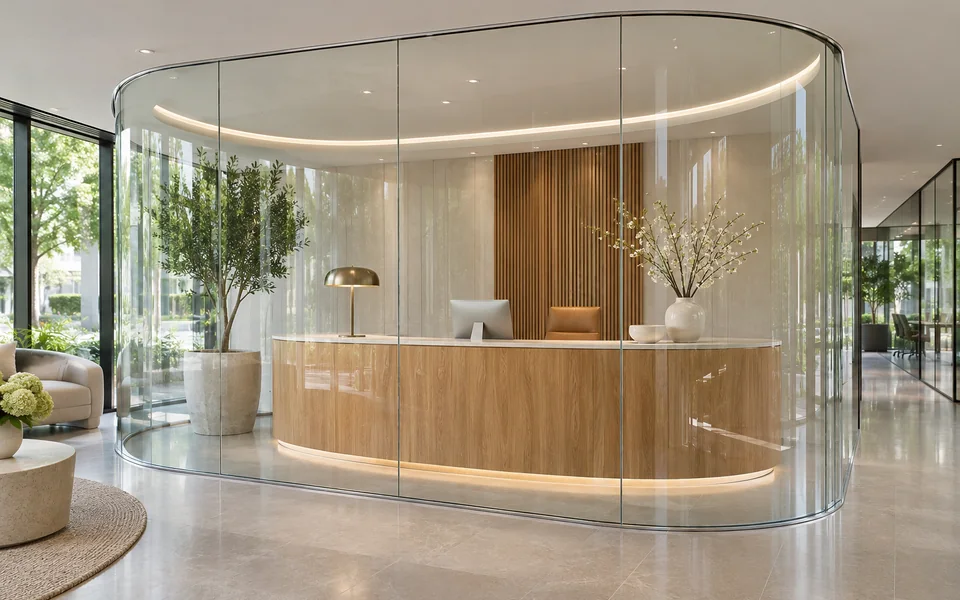
A curved pane, shown in profile.
Curved glass for architectural features and furniture.
Curved corner façades, reception screens & spiral balustrades.

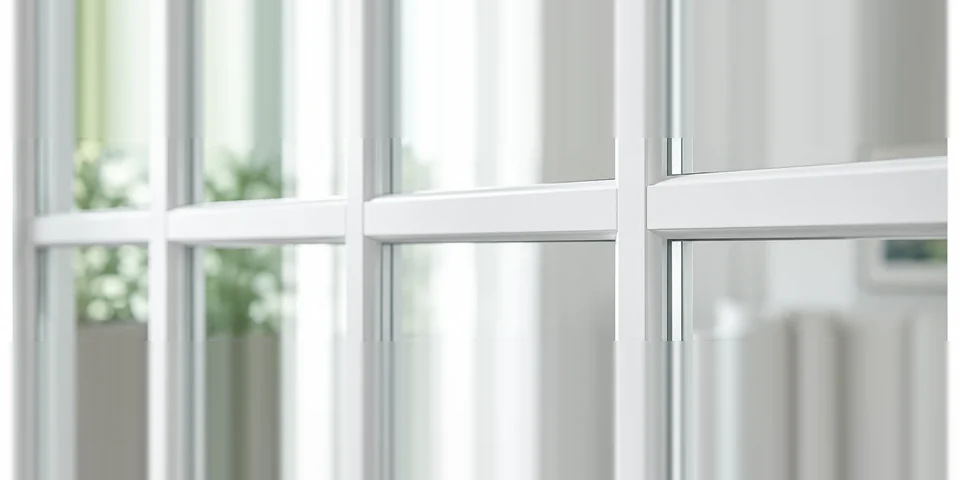
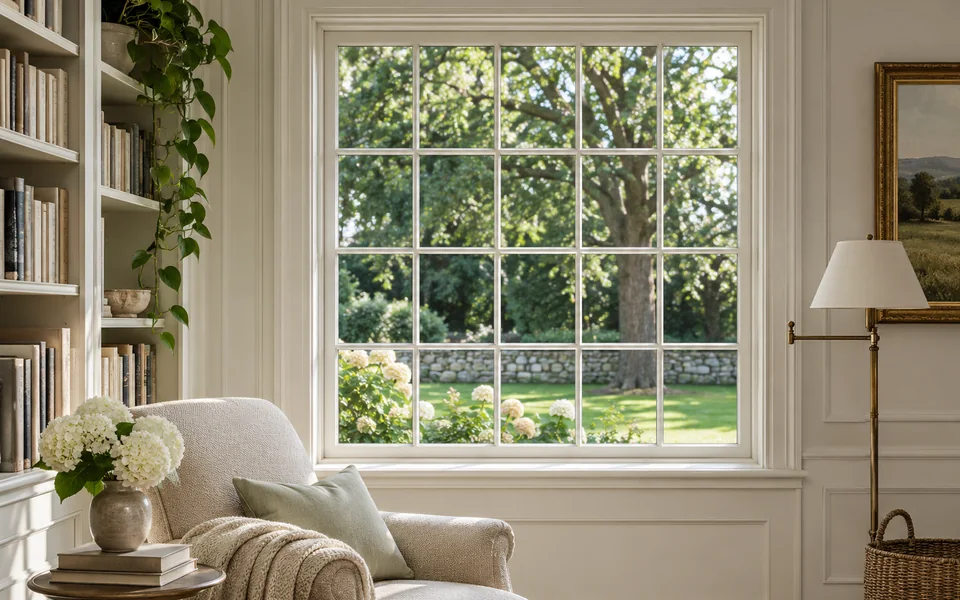
Decorative bars form a grid between the glass panes.
Decorative bars sealed between the panes of a double-glazed unit.
Heritage restorations, luxury villas & signature windows.

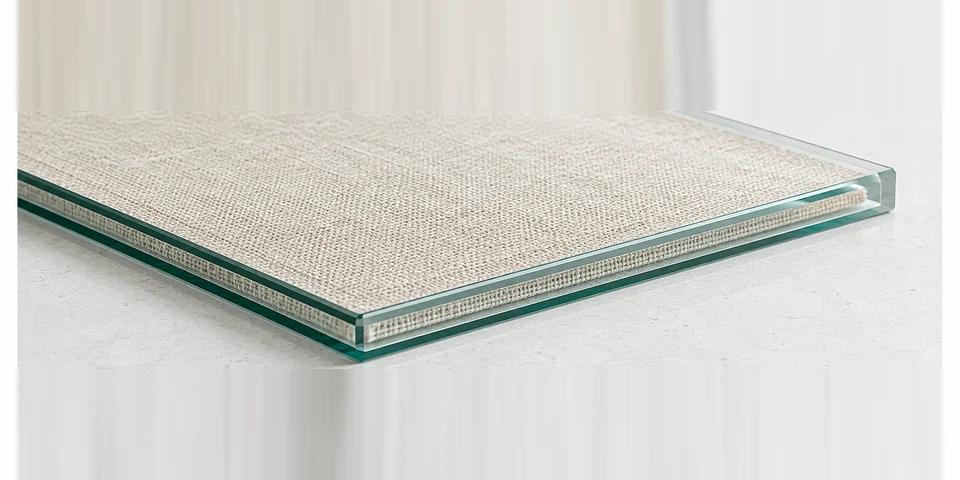
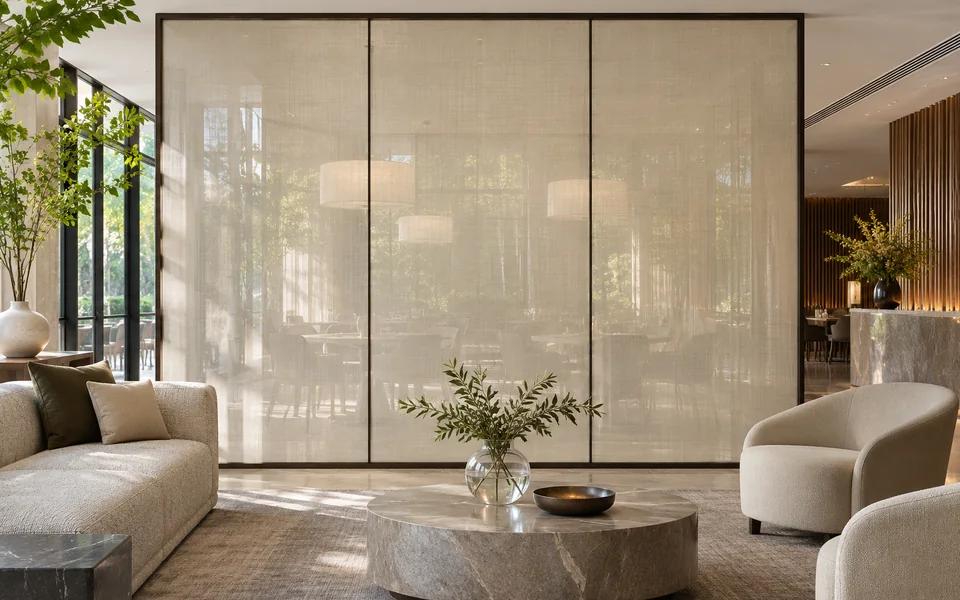
A woven insert sits between the glass layers.
A textile layer sealed between panes for an interior finish.
Luxury interior partitions, feature doors & wall cladding.

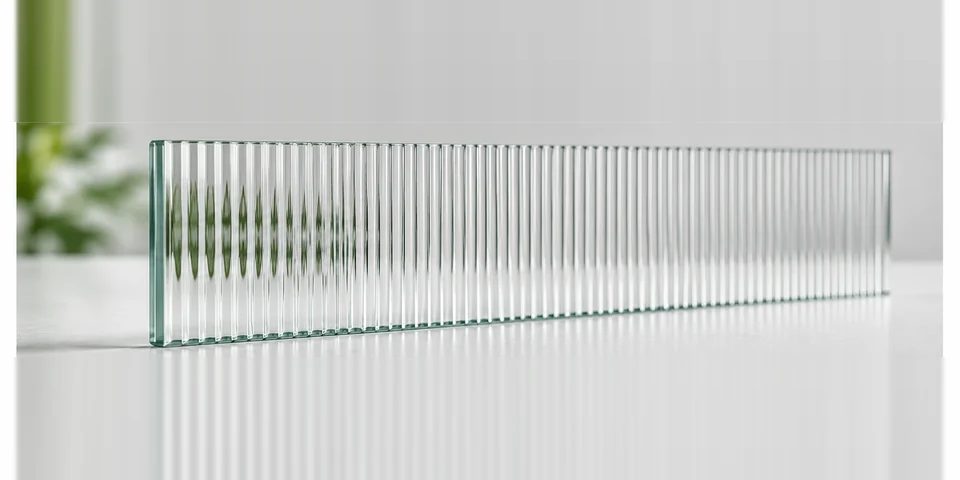
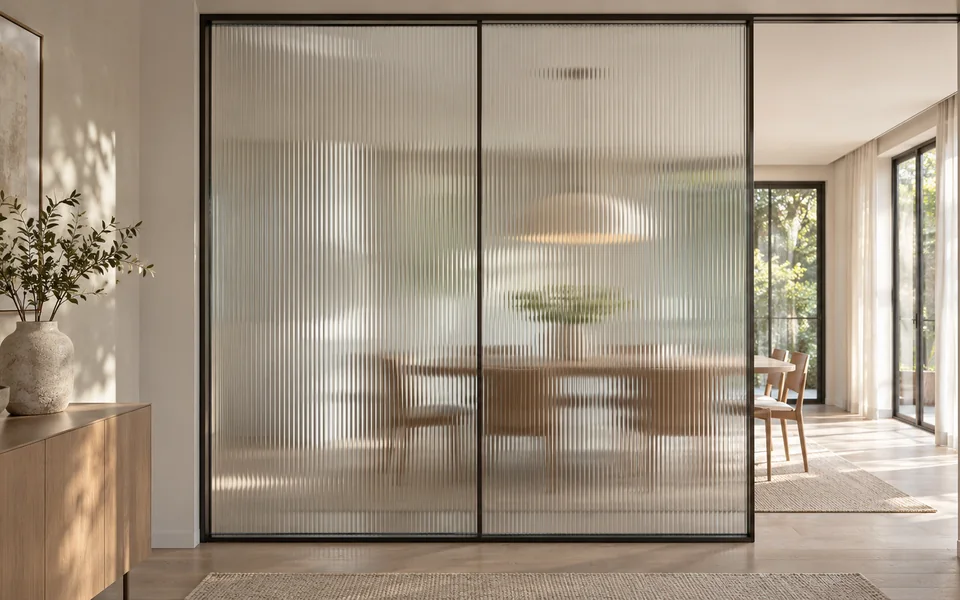
Parallel ribs texture one face of the pane.
Ribbed glass that softens light and obscures direct views.
Bathroom screens, conference partitions & entrance joinery.

Toughening is a treatment. Lamination bonds layers. Double glazing describes a sealed unit. A double-glazed unit can incorporate toughened or laminated glass.
When strength and safer breakage behaviour matter.
What to confirm Ask about thickness, edgework, and any holes or cut-outs before processing.
When broken fragments need to remain bonded to the interlayer.
What to confirm Ask which interlayer and glass build-up suit the safety or acoustic requirement.
When a sealed unit is needed to improve thermal insulation.
What to confirm Ask about coatings, cavity composition, and whether safety or acoustic glass should be built in.
Here, two bonded layers form one side of the unit. That side still sits across a sealed cavity from the other pane.
Simplified cross-sections, not to scale. Confirm the interlayer, coatings, and complete build-up for your project.
Compare the same chair, window and plant behind two glass finishes. The views are illustrative, not privacy or light-transmission ratings.
Vertical ribs break up outlines while larger shapes stay recognizable.
A woven interlayer gives the scene a softer, more even veil.
The result varies with the finish, lighting and how close objects are to the glass. Check a physical sample for your project.
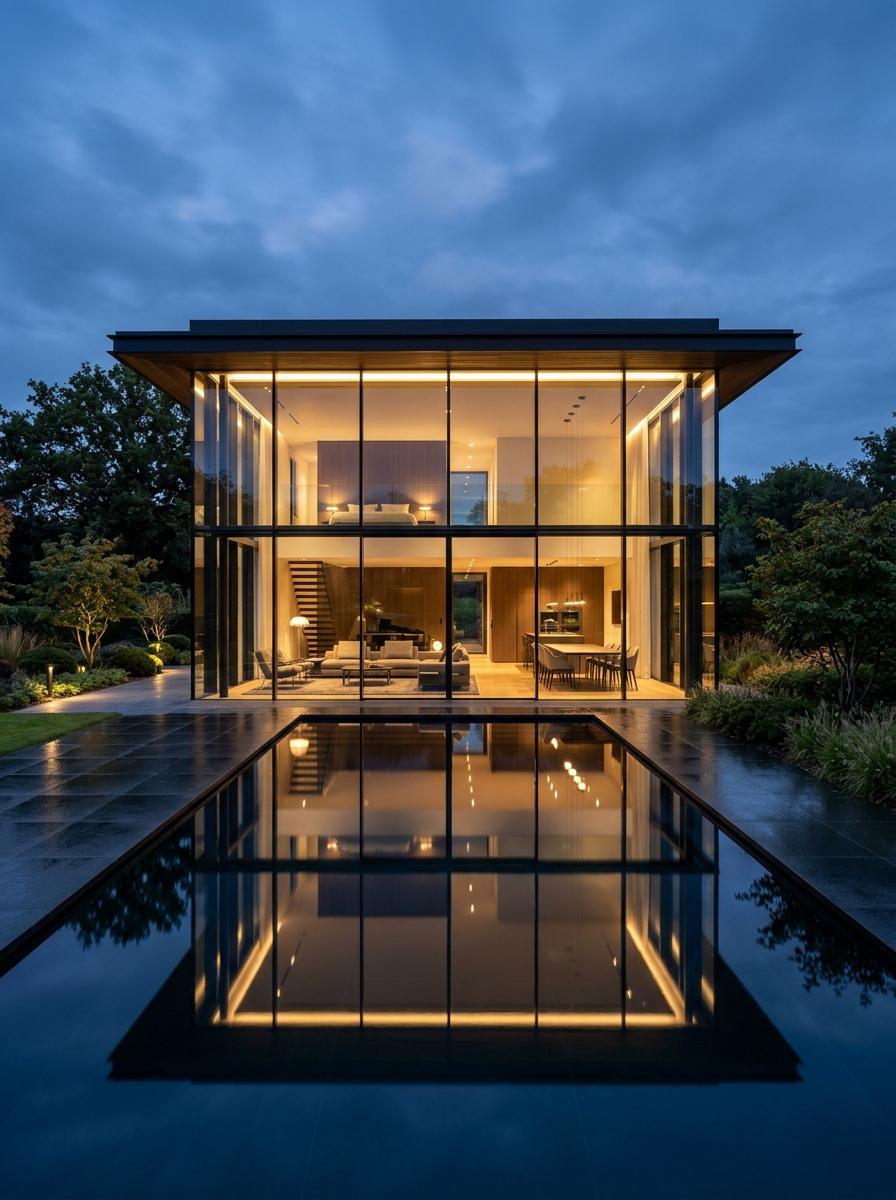
See all seven glass types in context. These are illustrative applications, not completed installations.


Architectural glass supply, custom fabrication, and fenestration solutions. Serving architects, builders, contractors, and trade dealers across Jalandhar, Ludhiana, and North India.
Jalandhar & Ludhiana, Punjab, India / Mon – Sat, 10:00 – 19:00